

Philodendron
Philodendron hederaceum
Also known as: Heartleaf Philodendron, Sweetheart Plant, P. hederaceum, Philodendron scandens
Last updated: Sep 10, 2026
Low to bright indirect light
When top inch of soil is dry
50–70%
65–85°F (18–29°C)
Well-draining potting mix with peat moss and perlite
Balanced liquid fertilizer monthly in spring/summer
Beginner friendly
Toxic to pets
Toxic to Pets
Contains calcium oxalate crystals. Chewing causes intense burning, swelling of lips and tongue, excessive drooling, and vomiting. Keep away from curious pets and children.
Source: ASPCA Toxic Plant List
Seasonal Care Calendar
| Season | Watering | Fertilizer | Notes |
|---|---|---|---|
| Spring | Every 7–10 days | Start monthly feeding | Begin repotting if needed. Resume regular watering. Prune leggy vines to encourage bushier growth. |
| Summer | Every 7–10 days | Monthly feeding | Active growth period. Ideal time for propagation. Check for pests like spider mites and mealybugs. |
| Fall | Every 10–14 days | Reduce to every 6–8 weeks | Growth slows. Reduce watering frequency gradually. Stop fertilizing by late fall. |
| Winter | Every 14–21 days | None | Dormant period. Keep away from cold drafts and heating vents. Consider a humidifier if air is very dry. |
Detailed Care Guide
Everything you need to know to keep your Philodendron thriving.
Light Requirements
Philodendrons are among the most adaptable houseplants when it comes to light. They thrive in low to bright indirect light, making them perfect for almost any room in your home. In their native Central and South American rainforests, they grow on the forest floor and climb tree trunks beneath the canopy, receiving dappled, filtered sunlight throughout the day.
Low light doesn't mean no light — a north-facing window or a spot several feet from an east- or west-facing window works well. The plant will survive but grow more slowly, with smaller leaves and longer spaces between them (leggy growth). Bright indirect light, such as near an east-facing window or a few feet back from a south-facing one with a sheer curtain, produces the best growth: larger leaves, fuller vines, and faster development.
Avoid direct sunlight, especially afternoon sun, which will scorch the leaves and cause bleached, brown patches. If your philodendron is reaching dramatically toward the window with long gaps between leaves, it needs more light. Rotate the pot a quarter turn every week or two for even growth on all sides. In very dark spaces, a simple grow light on a timer for 12 hours a day will keep your plant happy.
Watering
The golden rule for watering philodendrons: wait until the top inch of soil feels dry to the touch before watering again. These plants are far more tolerant of underwatering than overwatering, and root rot from soggy soil is the most common cause of death.
During the active growing season (spring and summer), this typically means watering every 7–10 days. In fall and winter, when growth slows, reduce to every 10–14 days. Always check the soil with your finger rather than relying on a fixed schedule — pot size, humidity, temperature, and the plant's size all affect how quickly the soil dries out.
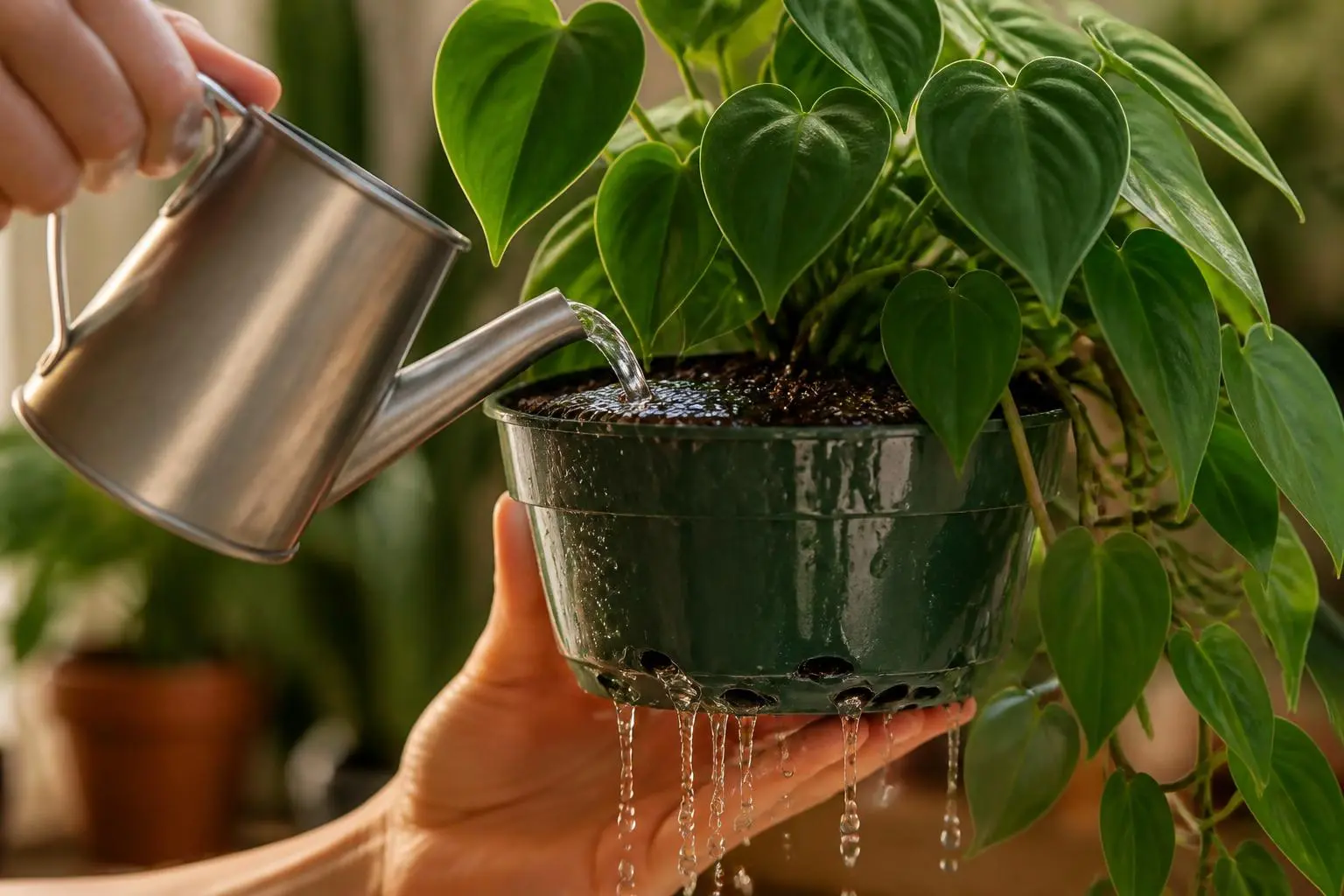
When watering, give the plant a thorough soak until water runs freely from the drainage holes. Empty the saucer after 15 minutes — never let the pot sit in standing water. Use room-temperature water; cold water can shock the roots.
Signs of overwatering: yellowing lower leaves, mushy stems, soil that stays wet for days, and a sour smell from the pot. Signs of underwatering: dry crispy leaf edges, drooping that recovers after watering, and soil pulling away from the pot edges. When in doubt, wait another day — philodendrons forgive a missed watering far more readily than a soaking they didn't need.
Humidity
Philodendrons prefer humidity between 50–70%, which is higher than the average home (typically 30–50%). They tolerate average household humidity reasonably well — one reason they're considered beginner-friendly — but you'll see the best growth and lushest leaves with a bit more moisture in the air.
In dry homes, especially during winter with forced-air heating, leaf tips may turn brown and crispy. A small humidifier placed within 3–4 feet of the plant is the most effective solution. A pebble tray filled with water beneath the pot (ensuring the pot sits on the pebbles, not in the water) provides a gentle, passive humidity boost. Grouping plants together also creates a shared microclimate with higher ambient humidity.
Misting is popular but largely ineffective — water evaporates in minutes and doesn't meaningfully raise humidity around the plant. It can also promote fungal and bacterial leaf spots if leaves stay wet overnight. If you mist, do it in the morning so foliage dries before evening. The bathroom is an ideal location for philodendrons thanks to naturally higher humidity from showers.
Temperature
Philodendrons prefer temperatures between 65–85°F (18–29°C), which matches typical indoor conditions year-round. They are true tropicals and have no cold tolerance — temperatures below 55°F (13°C) cause stress, and prolonged exposure below 50°F (10°C) can be fatal.
Avoid placing your philodendron near cold drafts, air conditioning vents, or exterior doors that open frequently in winter. Similarly, keep it away from direct heat sources like radiators, heating vents, and fireplaces. Sudden temperature swings stress the plant and can trigger leaf drop or stunted growth.
If you move your philodendron outdoors for the summer, bring it back inside when nighttime temperatures consistently drop below 55°F. In USDA zones 9b–11, some philodendron species can grow outdoors year-round, but they may become invasive in frost-free climates — always check local guidelines before planting in the ground. Indoors, consistent temperatures are key: pick a spot and try not to move the plant around frequently.
Soil
Philodendrons need well-draining soil that retains some moisture without becoming waterlogged. A standard potting mix on its own is often too dense and holds too much water, which leads to root rot over time. The goal is a loose, airy mix that mimics the organic debris these plants grow in on the rainforest floor.
Recommended mix: 1 part quality potting soil + 1 part perlite + 1 part peat moss or coco coir. The peat or coco coir provides moisture retention and slight acidity, while perlite ensures drainage and aeration. For an even chunkier mix, replace half the perlite with orchid bark or add a handful of horticultural charcoal to help prevent root rot.
For a simpler approach, mixing 2 parts potting soil with 1 part perlite works for most home growers. The pH should be slightly acidic to neutral (5.0–6.0). Avoid using garden soil or topsoil in pots — they compact over time, suffocating roots and preventing drainage. Always use a pot with drainage holes; there are no exceptions for philodendrons.
Fertilizer
Feed your philodendron with a balanced liquid fertilizer (such as NPK 20-20-20) diluted to half strength, applied once a month during the spring and summer growing season. Philodendrons are not heavy feeders, and over-fertilizing is more harmful than under-fertilizing — excess salts burn leaf tips and edges, appearing as brown crispy margins.
If you prefer organic options, worm castings top-dressed on the soil surface or a diluted fish emulsion every 4–6 weeks works well. Slow-release granular fertilizer mixed into the soil at the start of spring provides a steady nutrient supply for 3–4 months with minimal effort.
Stop fertilizing entirely from late fall through winter when the plant enters its resting period and growth naturally slows. If you notice a white, crusty buildup on the soil surface or around the drainage holes, that's accumulated mineral salts — flush the soil thoroughly with water next time you water to leach out the excess. Yellowing of new growth (not just older leaves) can indicate a nutrient deficiency, particularly nitrogen, which a balanced fertilizer will correct.
Repotting
Repot your philodendron every 2–3 years, or when you see roots circling the bottom of the pot or growing out of the drainage holes. The best time to repot is spring or early summer when the plant is actively growing and can recover quickly from root disturbance.
Choose a pot only 1–2 inches larger in diameter than the current one. Going too large means excess soil stays wet too long, dramatically increasing the risk of root rot — the number one problem for philodendrons. Always use a pot with drainage holes.
To repot: water the plant a day before to make removing the root ball easier. Gently slide it out, loosen circling roots with your fingers, and trim any black, brown, or mushy roots with sterilized scissors. Place fresh potting mix in the new pot, position the plant at the same depth it was growing before, and fill in around the sides. Water thoroughly and keep the plant in a slightly shadier spot for about a week to reduce transplant shock before returning it to its usual location.
Support & Training
Philodendrons are versatile growers that can trail from a hanging basket or climb a support structure — both options look beautiful and are perfectly healthy for the plant. The choice comes down to the look you prefer and the space you have.
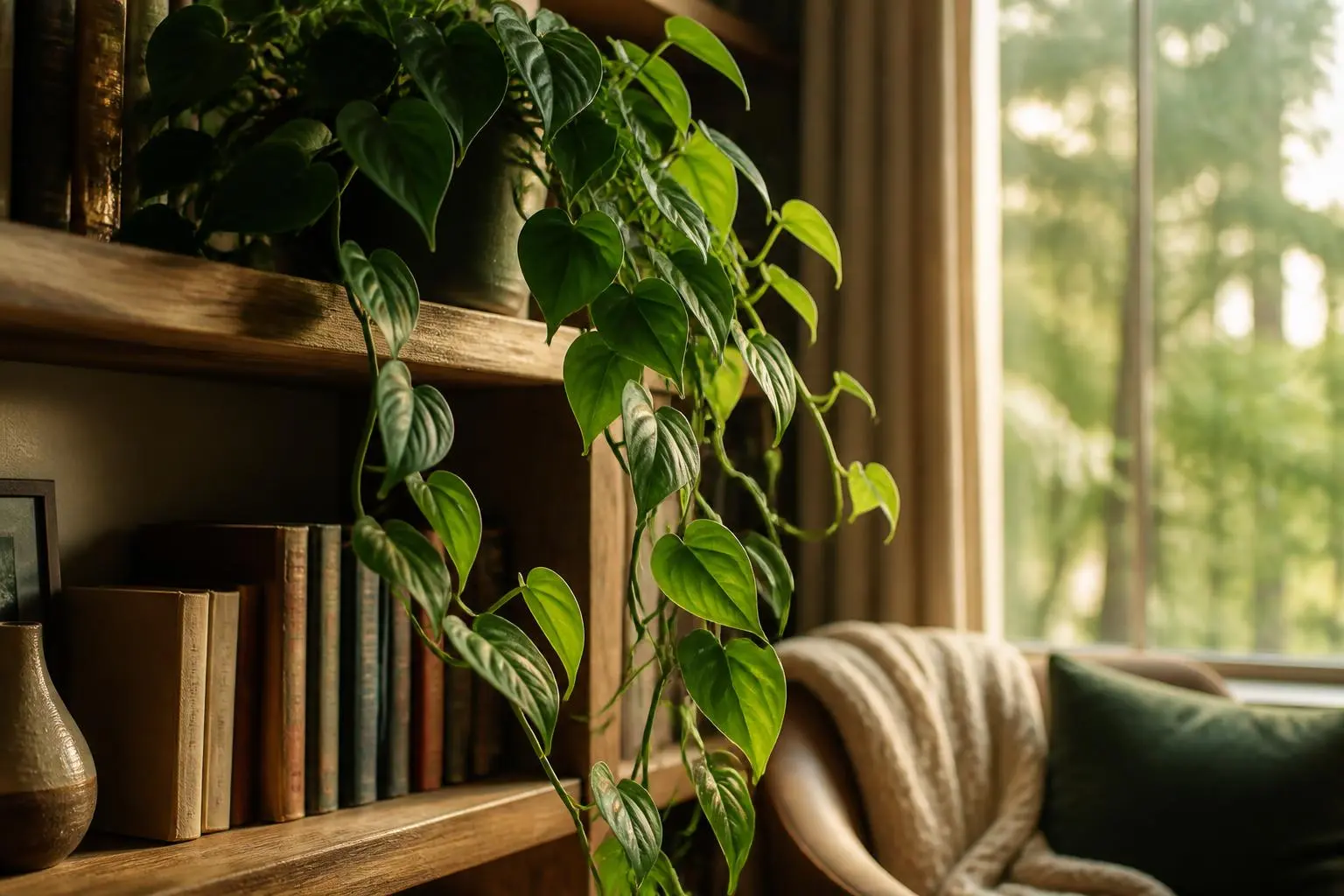
TrailingLetting a philodendron trail from a shelf, hanging basket, or tall planter creates a lush, cascading effect. Heartleaf philodendrons are especially popular for this style, with vines that can reach 4–10 feet indoors over time. Trailing is the easiest approach — just plant and let it grow. Prune occasionally to keep vines at your desired length and encourage bushier growth.
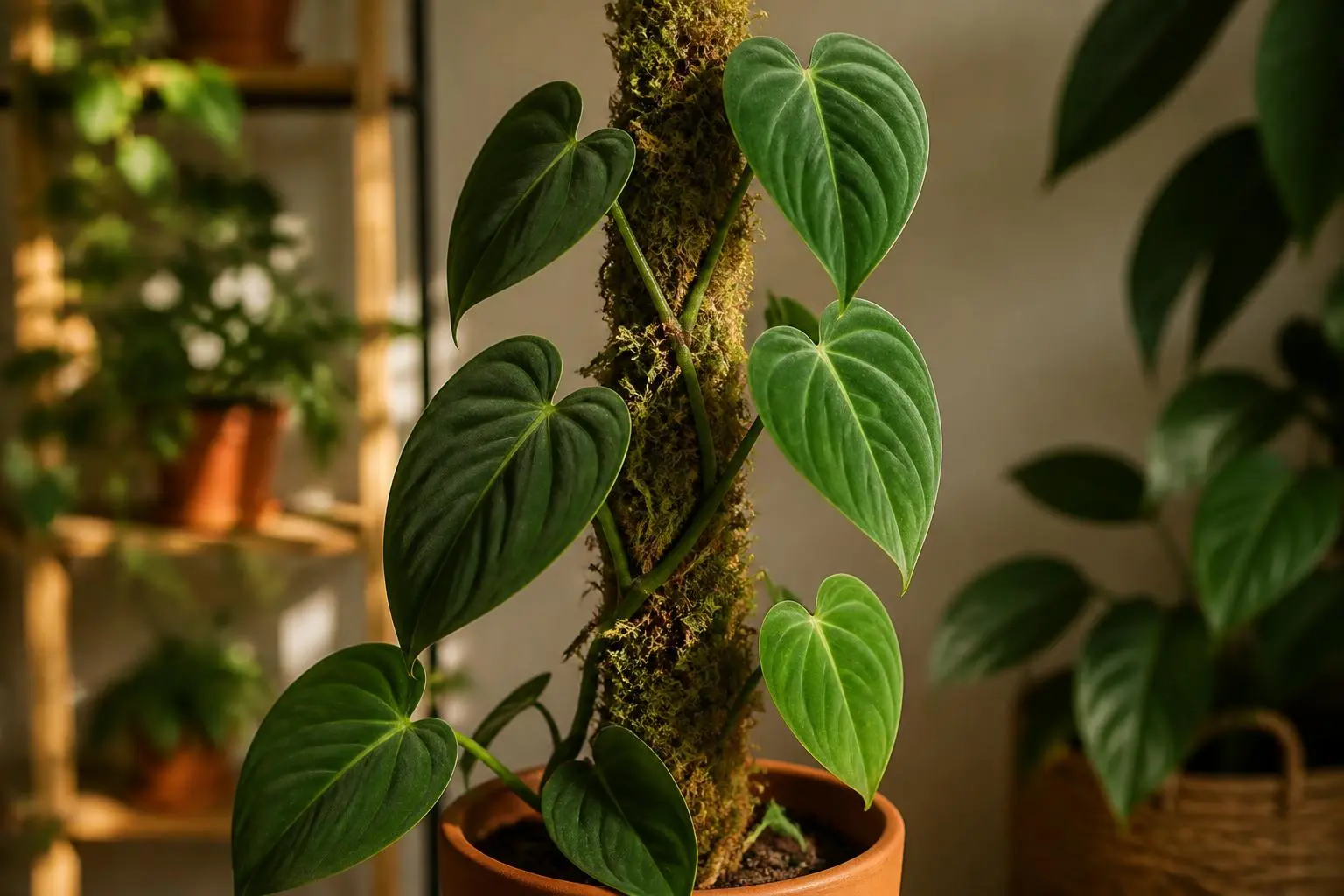
Climbing with a moss poleIn nature, philodendrons climb tree trunks using aerial roots. Providing a moss pole mimics this support and encourages larger, more mature leaf development. The aerial roots will grow into the moist sphagnum, anchoring the plant and providing additional moisture uptake. Gently tie the main stems to the pole with soft plant ties or twine every 6–8 inches, and mist the moss pole regularly to encourage root attachment.
Alternatives to moss poles include coco coir poles, trellises, and wooden boards. Insert any support at repotting time to avoid damaging established roots. A climbing philodendron on a moss pole makes a striking vertical statement, while a trailing one softens bookshelves and mantels with its romantic, draping vines.
Our Experience
My heartleaf philodendron sat in a north-facing bathroom window for two years and thrived with almost no effort. The humidity from daily showers kept the leaves glossy and the low indirect light was perfect. I only watered it every 10 days or so. It's honestly the most low-maintenance plant I've ever owned.
— Grown indoors in USDA Zone 7a, north-facing bathroom window, year-round
I had trouble telling my philodendron apart from my pothos until I looked closely at the leaves and growth habit. Philodendron leaves are thinner with a softer texture and have a distinctive sheath (cataphyll) where new leaves emerge, while pothos leaves are thicker and waxier. Also, philodendron aerial roots are thin and wiry, while pothos aerial roots are thicker and nub-like. Once you see the difference, you can't unsee it.
— Indoor plant collection, side-by-side comparison observation
When I started trailing my philodendron along a bookshelf with small command hooks to guide the vines, it transformed the whole room. The vines grow about 6–10 inches a month in summer, so I redirect them every few weeks. Trimming the tips also forces the plant to branch, making it look much fuller instead of stringy.
— Grown indoors in USDA Zone 6b, bright indirect light, spring through fall
 Brasil
  Heartleaf
  Micans
 Compare Varieties
Explore different cultivars side-by-side and find the best match for your space.
Browse all varieties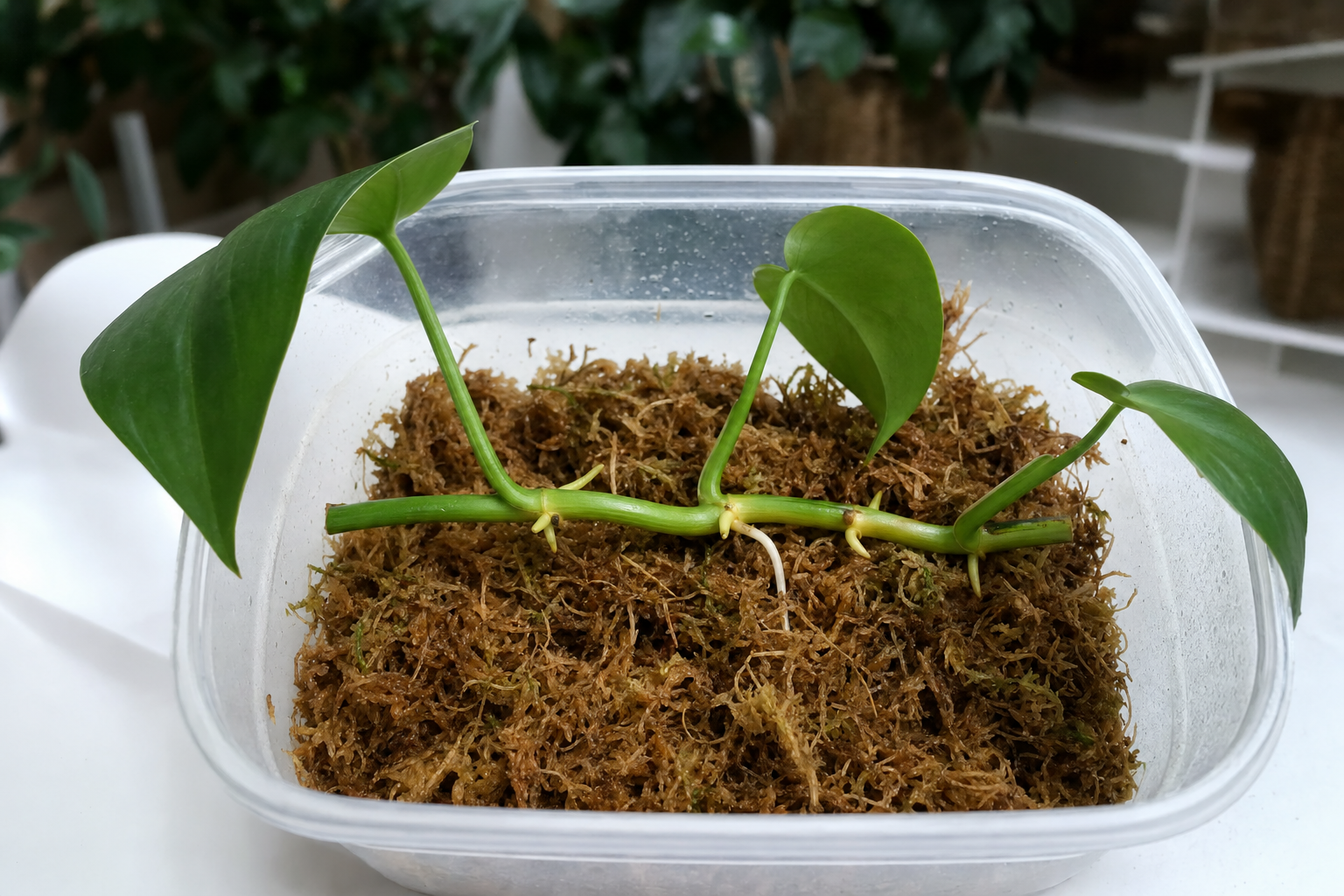
Propagation Guide
Step-by-step instructions for multiplying your plant collection.
Learn how to propagateFrequently Asked Questions
Why are my philodendron leaves turning yellow?
How do I propagate my philodendron?
What is the difference between a philodendron and a pothos?
Why are my philodendron leaves curling?
How often should I water my philodendron?
Can philodendrons grow in low light?
Are philodendrons toxic to cats and dogs?
Should I let my philodendron trail or climb?
Common Problems
Why Are My Plant Leaves Turning Yellow?
Yellowing leaves are one of the most common houseplant problems. The good news is that most causes are easy to identify and fix once you know what to look for.
Read diagnosis guideHow to Fix an Overwatered Plant
Overwatering kills more houseplants than any other cause. The tricky part? The symptoms — yellowing, wilting, drooping — look just like underwatering. Here's how to tell the difference and fix it.
Read diagnosis guideReferences
- [1] Royal Horticultural Society. Philodendron hederaceum
- [2] ASPCA. Philodendron Toxicity
- [3] University of Florida IFAS Extension. Philodendron — Tropical Foliage Plant Culture
- [4] International Aroid Society. Philodendron hederaceum (Jacq.) Schott
Similar Plants

Pothos
Epipremnum aureum

Monstera Deliciosa
Monstera deliciosa

Peace Lily
Spathiphyllum wallisii